
Let’s Chat About Decodable Texts
This page contains affiliate links.
Let’s chat about decodable texts: what they are, how they support emergent readers, and what to look for.
Decodable books are controlled texts using specific words chosen based on spelling patterns. This may mean that a text is decodable for one group of students, but not another, depending on the scope and sequence used for reading instruction. A text is NOT decodable if the students reading it have not received explicit and direct instruction of the included phoneme-grapheme relationships in the text.
Students who begin their reading journey with decodable texts learn to decode words, not guess based on other cues (pictures, predictable sentence patterns, etc…) These students learn to develop stronger habits that support more successful reading outcomes.
One of the more frequent and important questions asked is: There are so many decodable texts out there these days. How do I choose the best ones?
First and foremost, the decodable texts you use should align with the skills your students are developing.
The decodable texts I am spotlighting on this page are the Charge into Reading Decodable Readers. This company has a series of fiction texts for Grades K-2, nonfiction texts, and chapter books. Full disclosure: I have the privilege of being the literacy consultant for this company, and use them with my own students— not only because I’ve been a part of the creation process, but because they encompass the many qualities I encourage educators to look for when choosing decodable texts:
1) Decodable words that follow a scope and sequence.
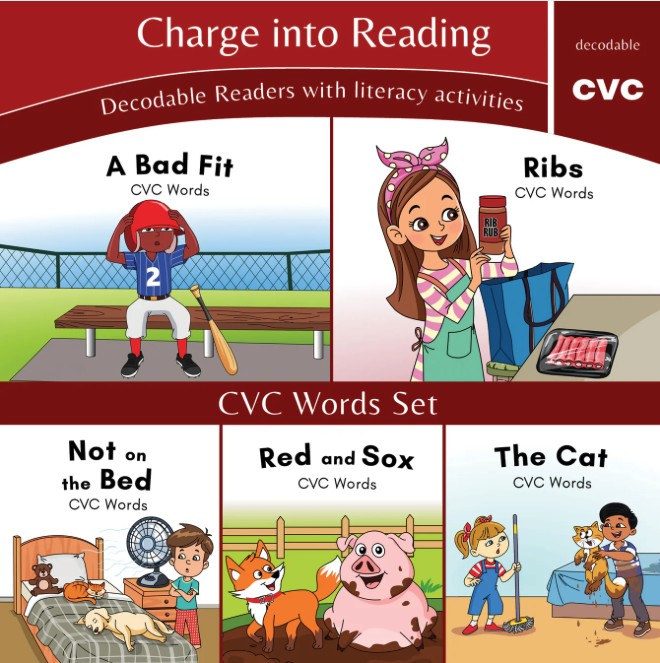
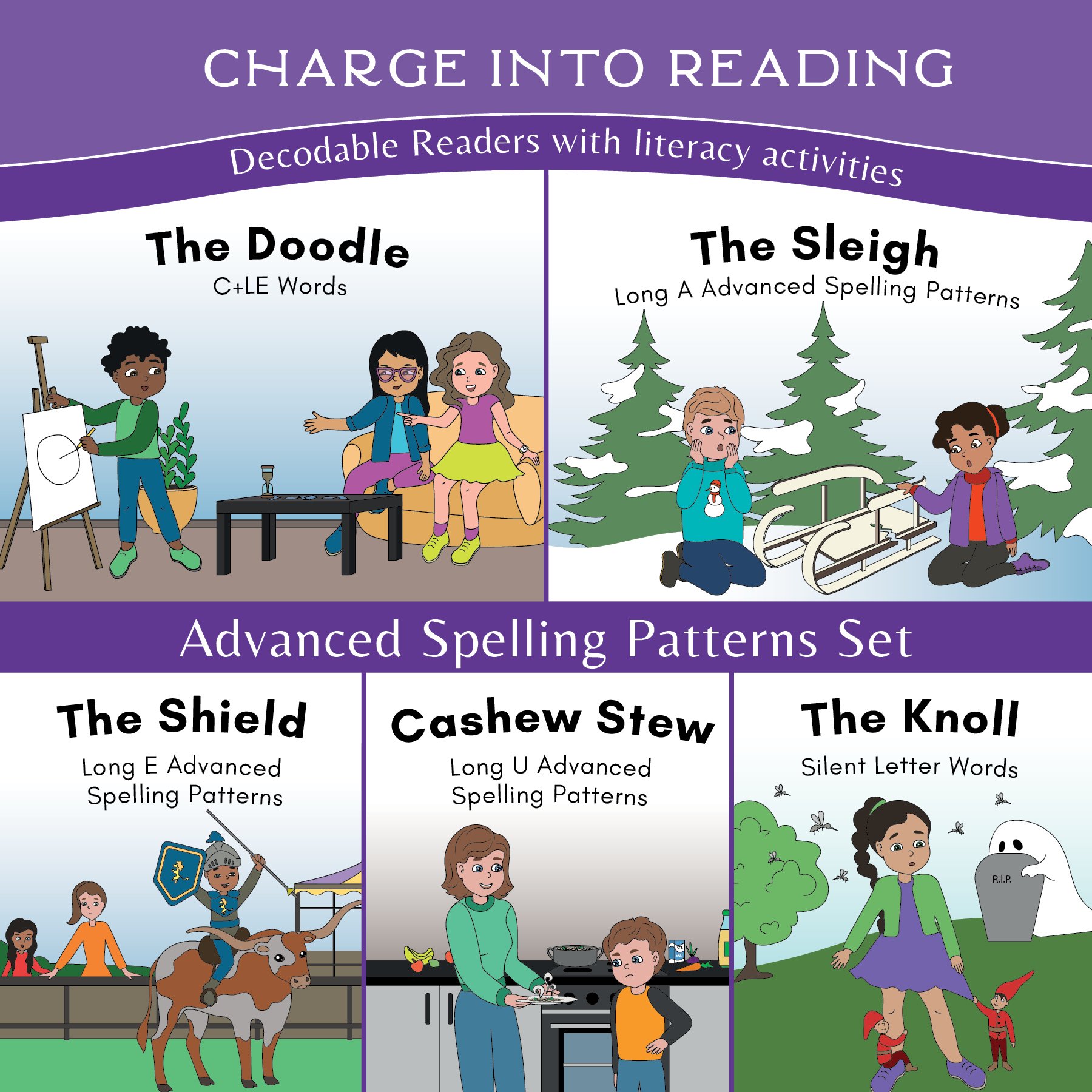
In the fiction series, each book in each stage methodically introduces words relevant to the phonics sequence for that stage while building upon knowledge of spelling patterns from previous stages. Words are thoughtfully used to align with the sequence. Each book is also clearly labeled in the top corner with the targeted skill-set.




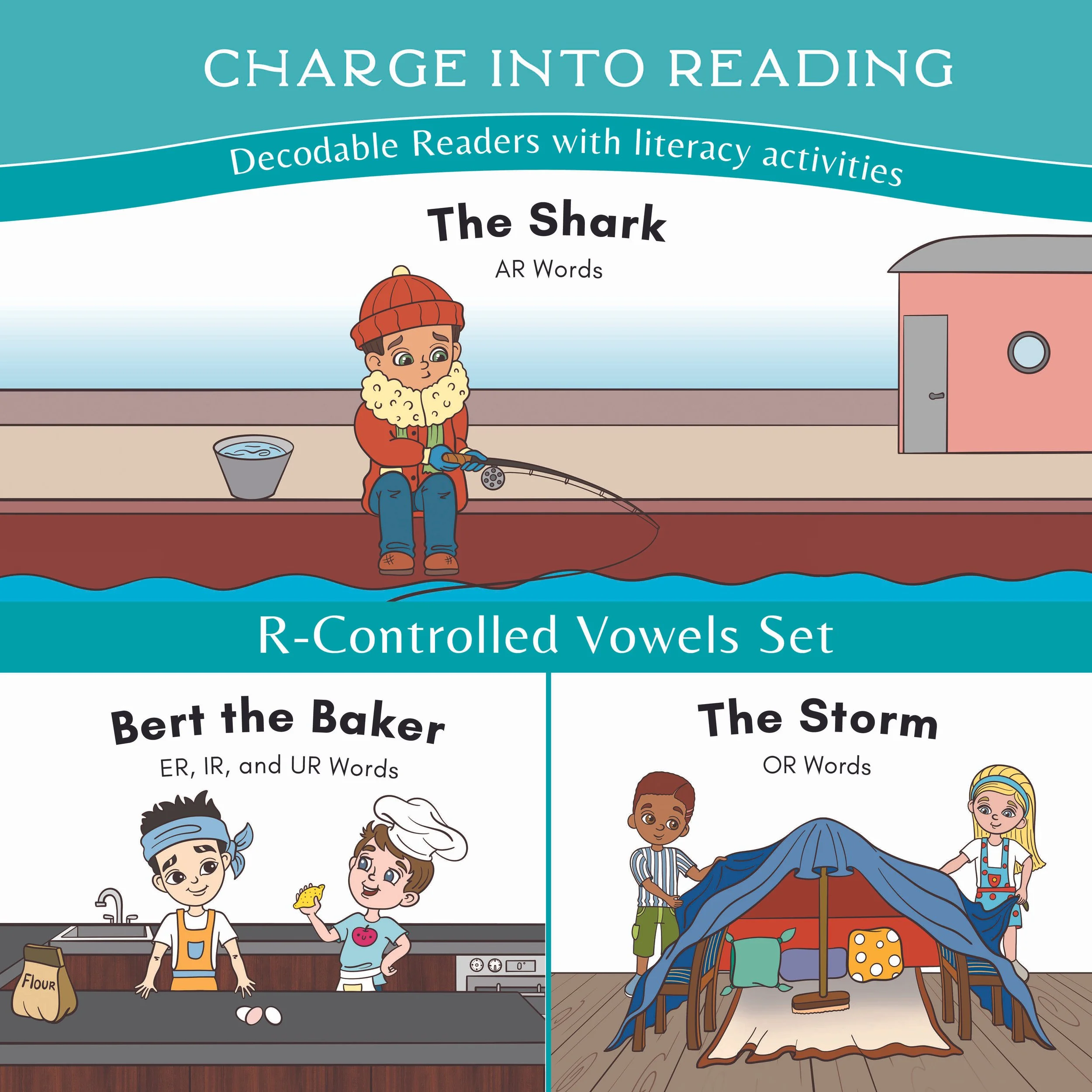
2) Complete transparency.
Before placing an order, you can get a full list of words in each text. This transparency allows the buyer to preview all the words in each book. Are there any words you will need to pre-teach for vocabulary or other purposes? Do you just want to know the content and word choices for the text you will introduce to your young readers? No surprises. A complete list is available prior to purchasing.
3) Limited high frequency words.
We all know that most books can’t be written with JUST the words from the sequence for that specific stage, although these come very close! Ultimately, writers have to make room for some high-frequency words—these may be words that are decodable but with patterns readers haven’t yet learned (we or for), or words with irregular spelling patterns (said). There are a very limited number of such words in these texts, but again, there is also full transparency so that the buyer will know which words they are ahead of time.
4) A storyline! (And additional literacy activities.)
Each book was thoughtfully written with a true storyline. Each story has additional pages of sound-specific literacy activities and is bound together in a just-right-size book for little hands.
5) Incidental inclusion.
Children need to see themselves reflected in stories as main characters who are not there for the purpose of educating others about who they are or what their challenges are. This was something discussed early on in the development of these books.
6) Tier 2 vocabulary.
Who says decodable vocabulary has to be dull? Perhaps one of my favorite features of these books is the academic vocabulary. Some of these words are multi-meaning words which can be the basis of an engaging language activity. Let’s take one of the Stage 2 texts, The Plum Plot. How many different meanings of plot can you think of? The main events of a book, to secretly plan and carry out an action, and a parcel of land. In a Stage 9 text, The Sleigh, all three homophones pear, pair, and pare are used. As we move along in the stages, we include words such as: mulch, cove, hedge, sparse, boast, waylaid, and trawler, just to name a few!
THERE’S MORE…
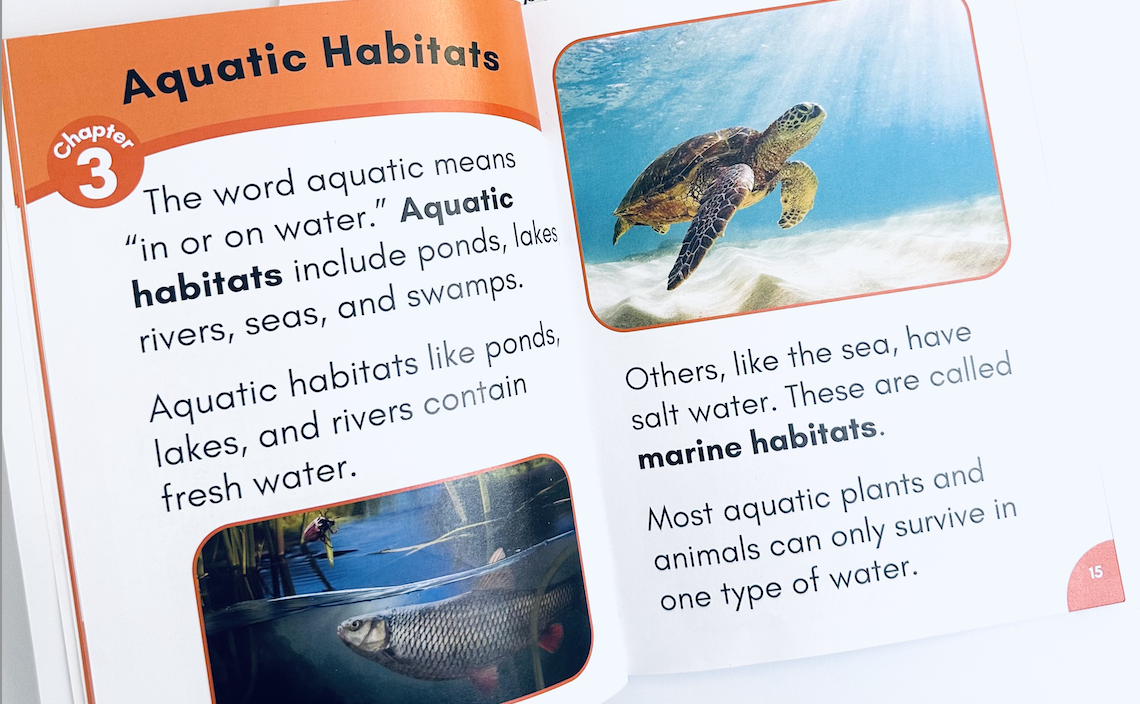
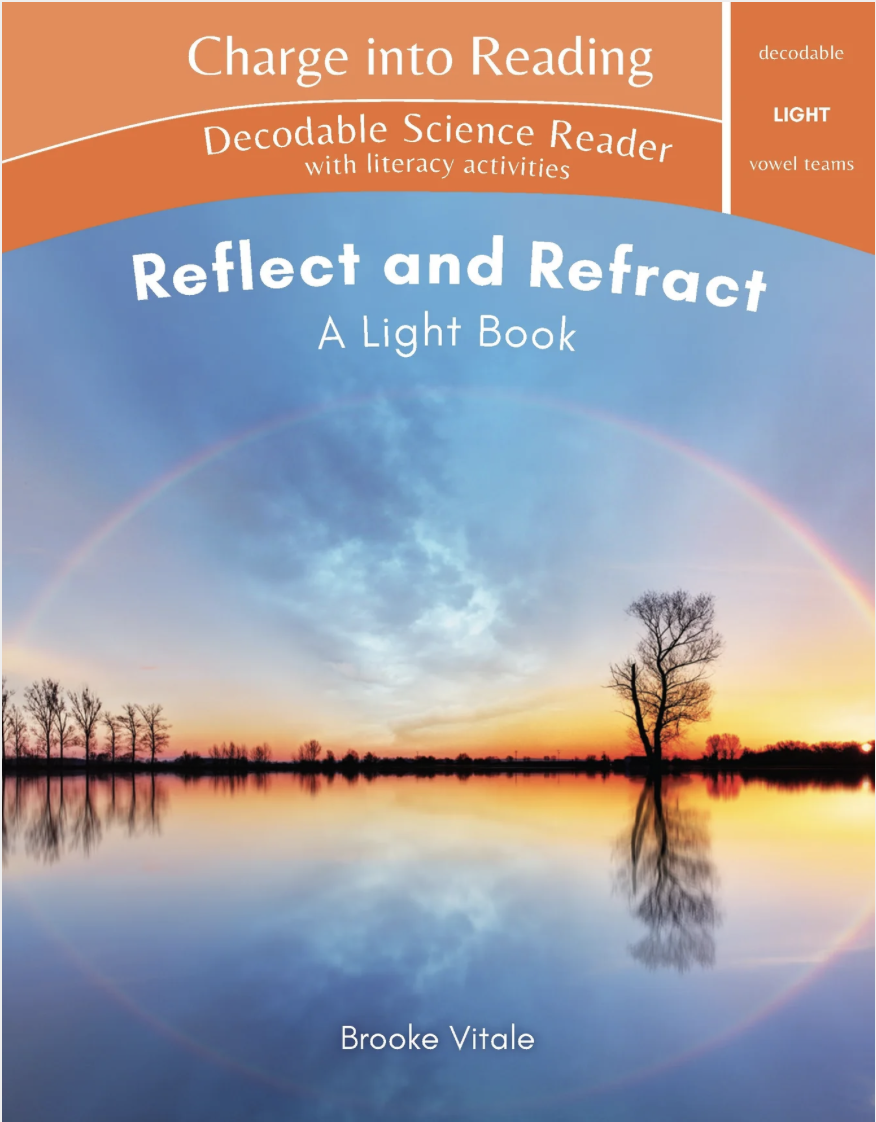
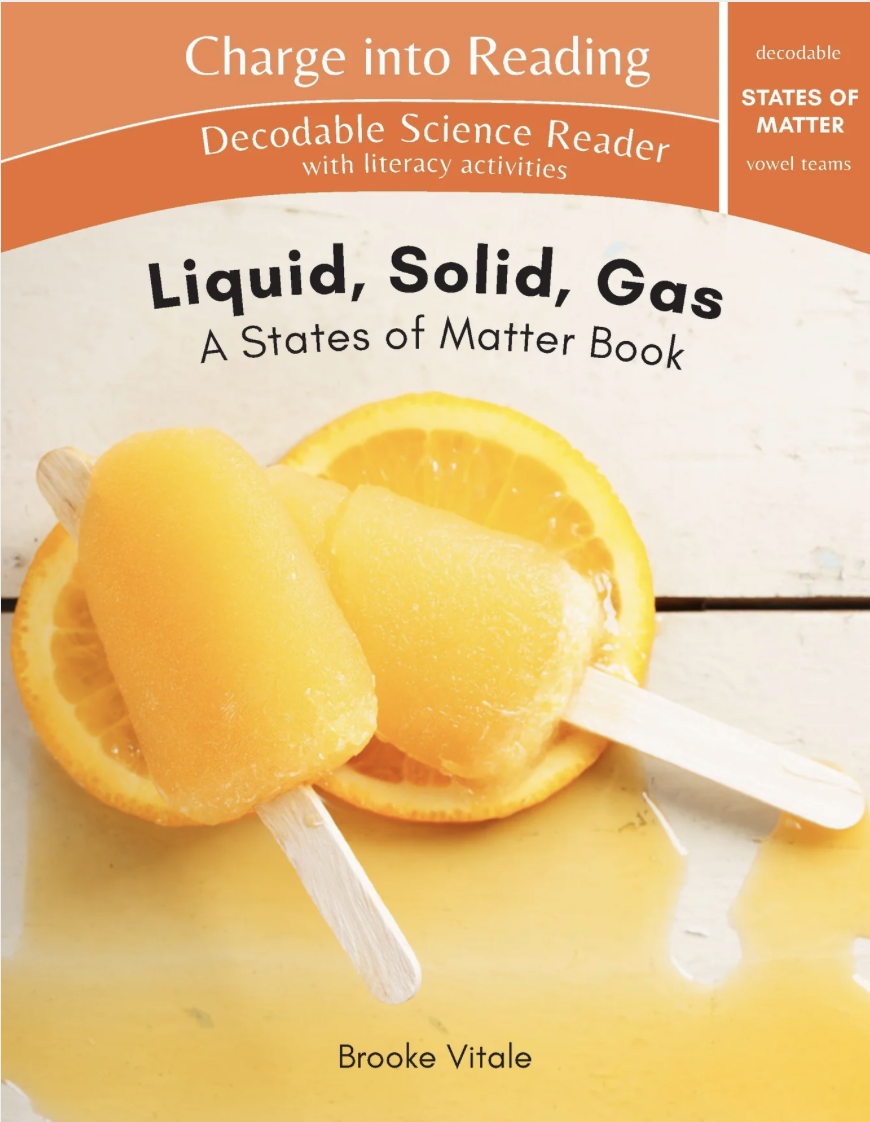
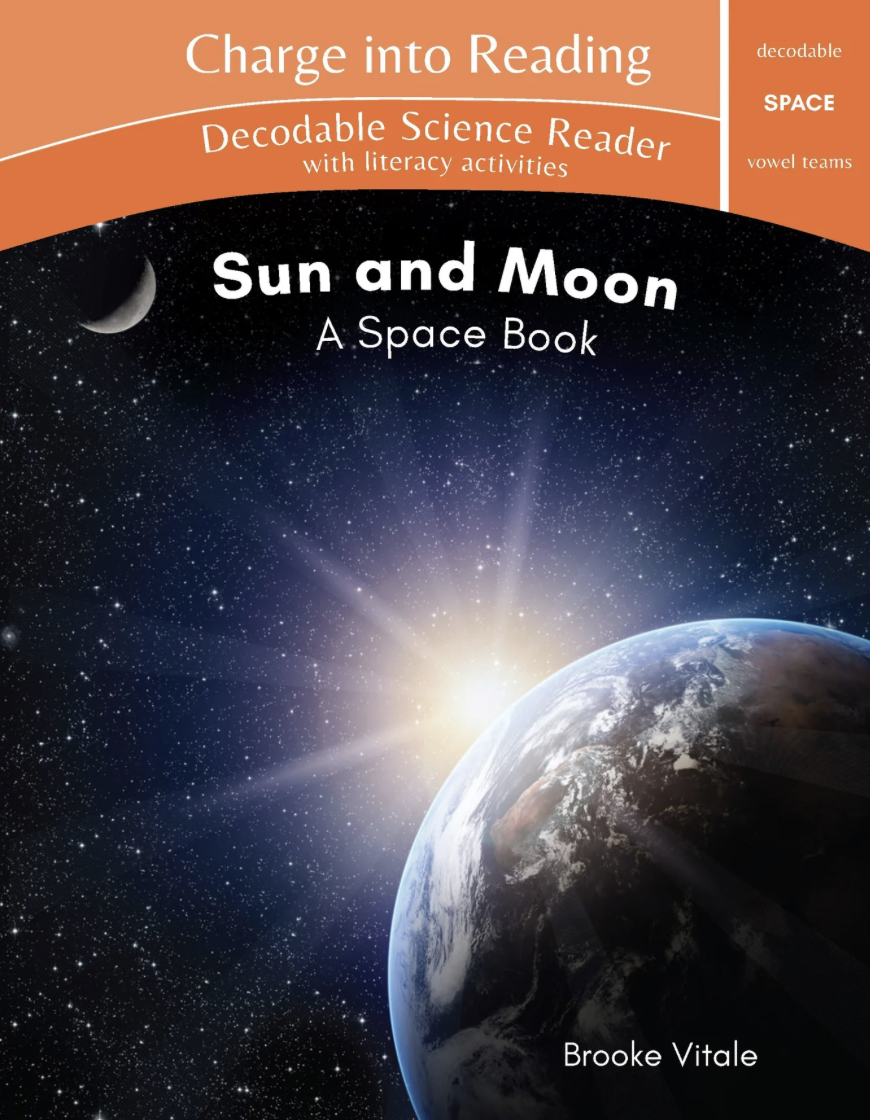
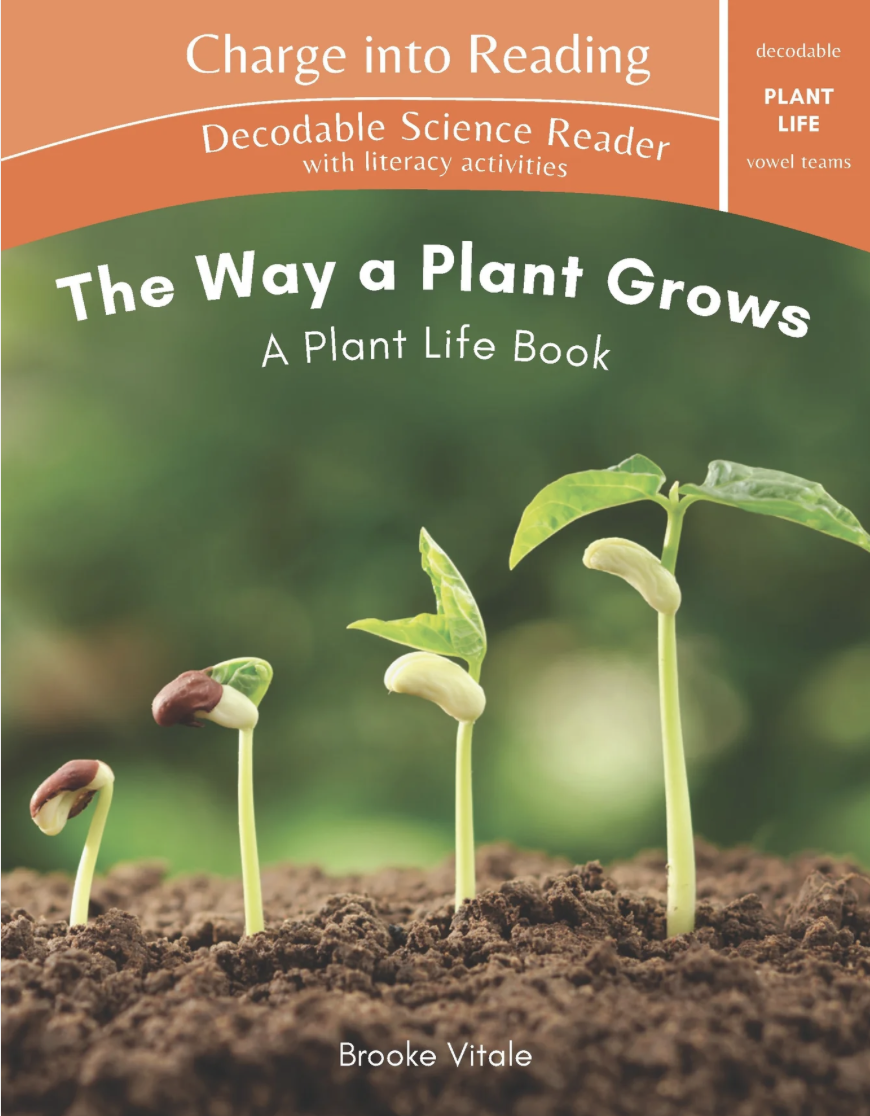
For older students who do not want to appear with a “babyish” book in their hands, or for students who need to access scientific concepts more easily, the decodable nonfiction science books are fully vetted by PhD professionals in their fields and offer an accessible way to connect students with factual knowledge on six different topics.
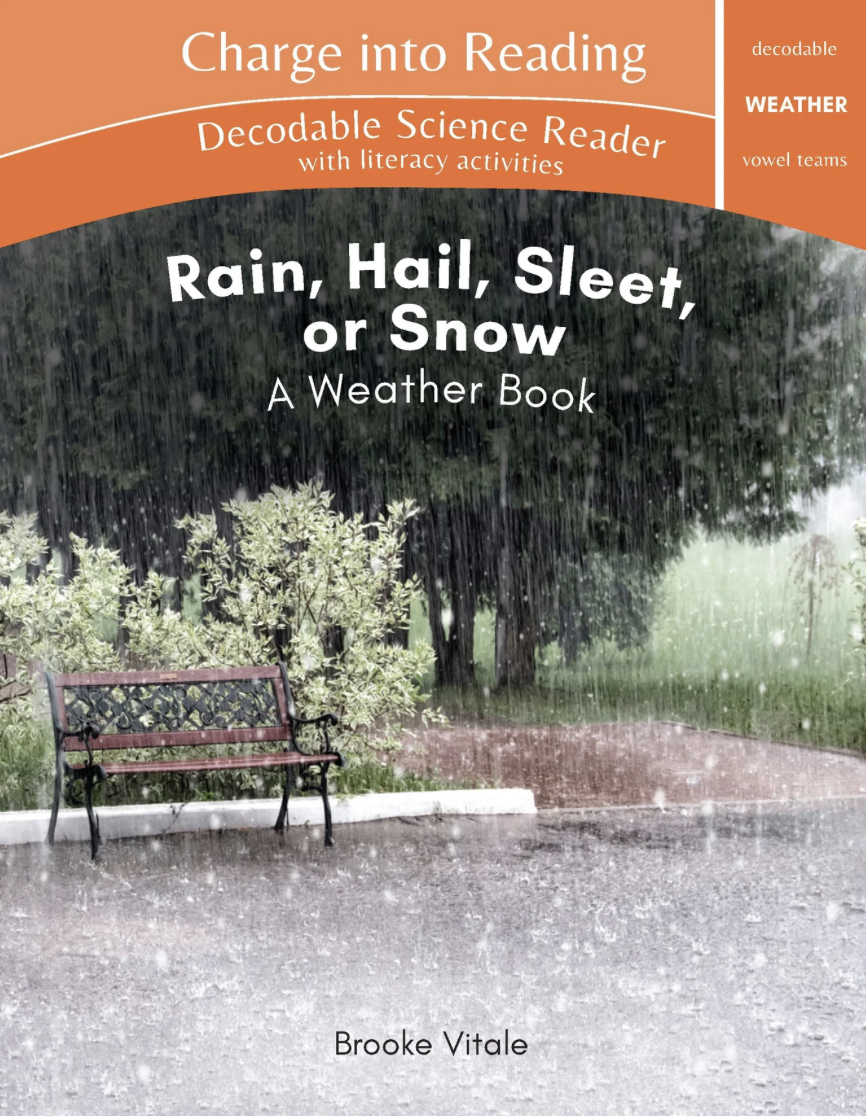
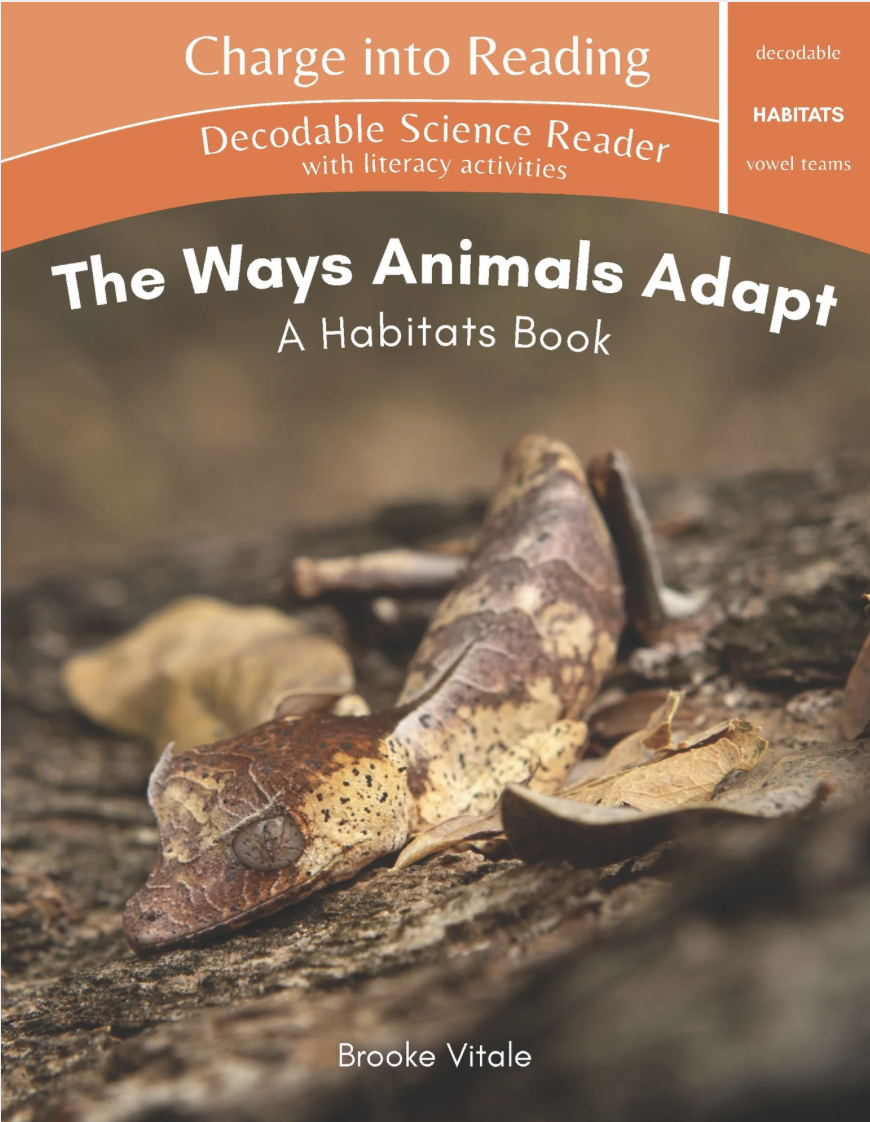
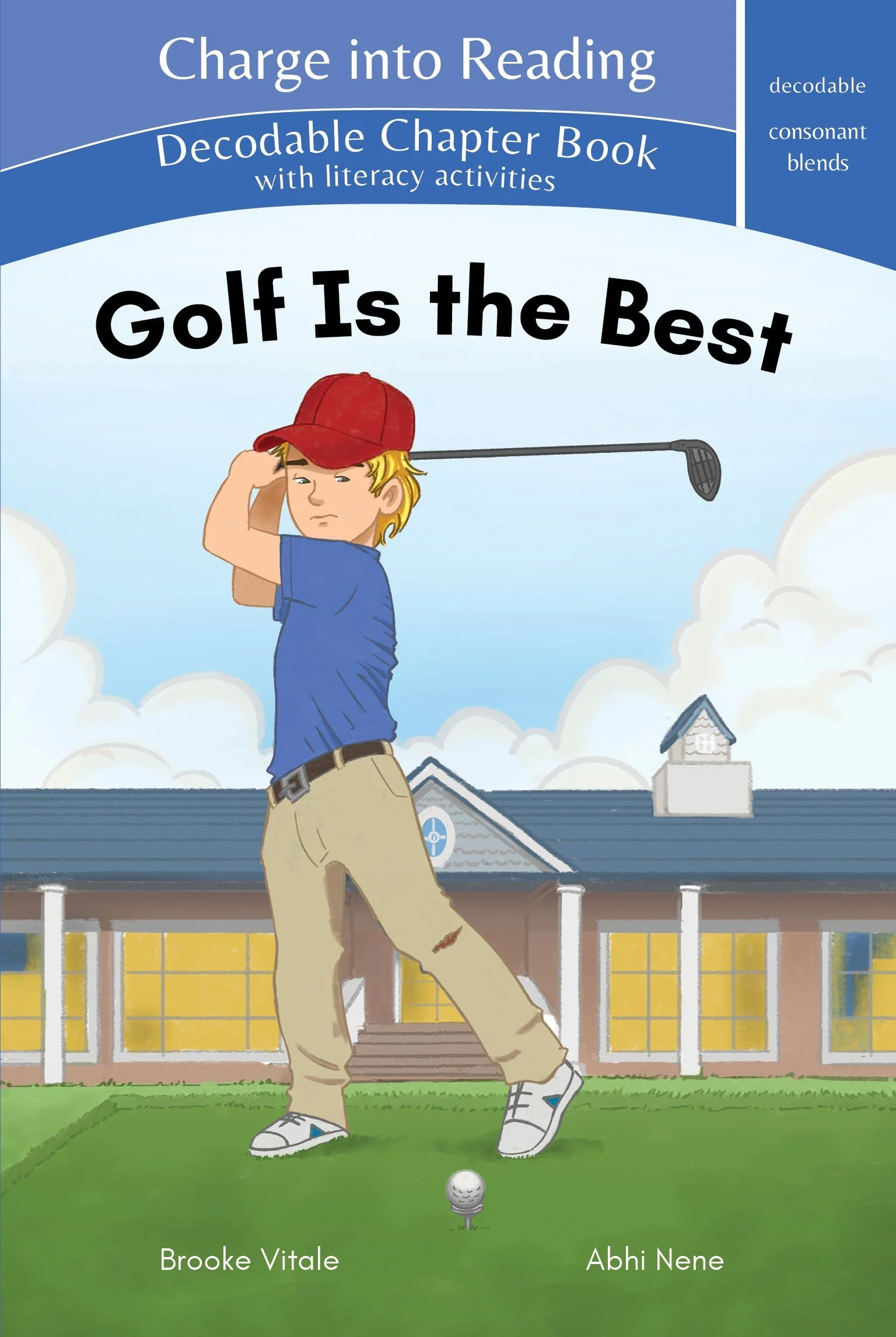
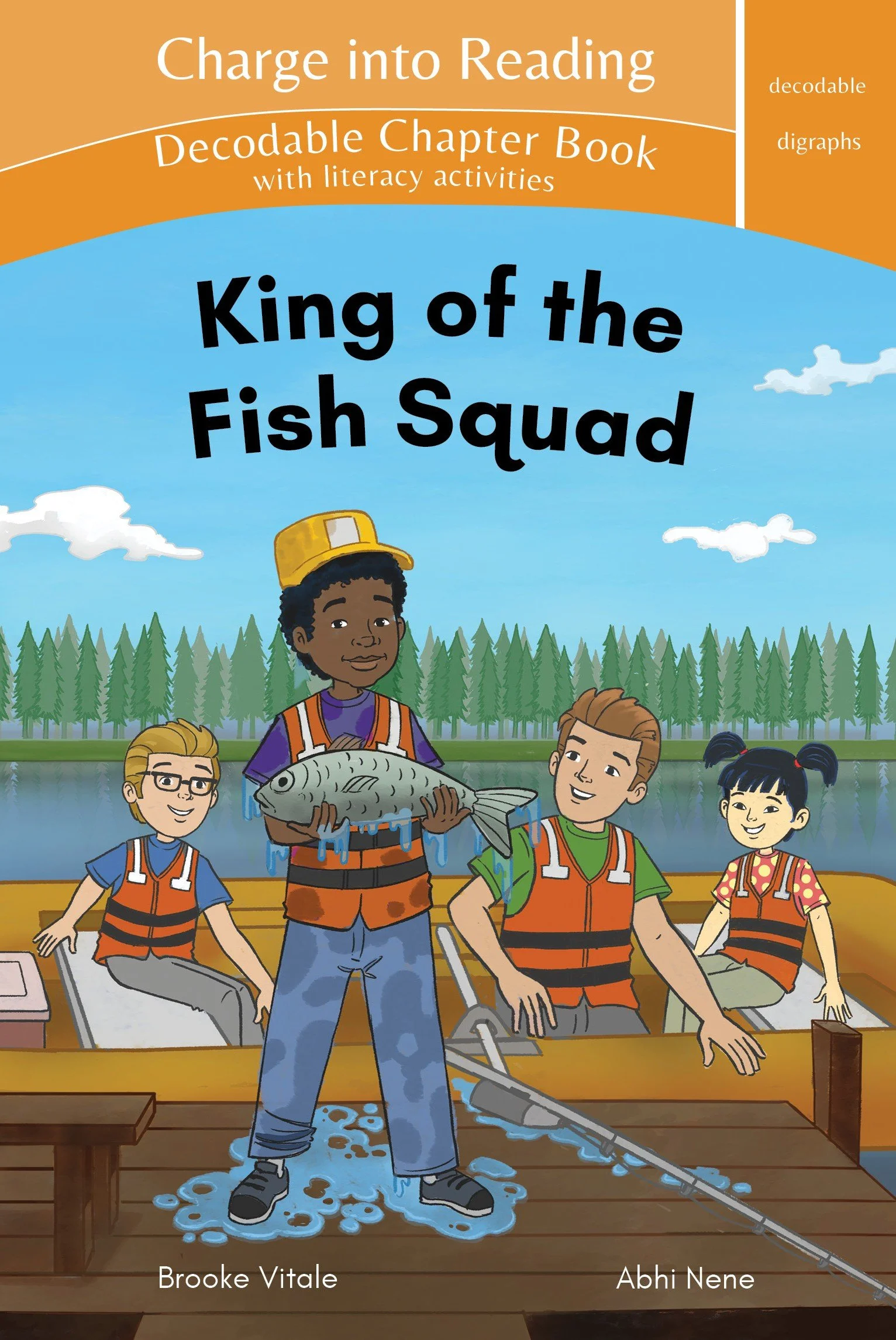
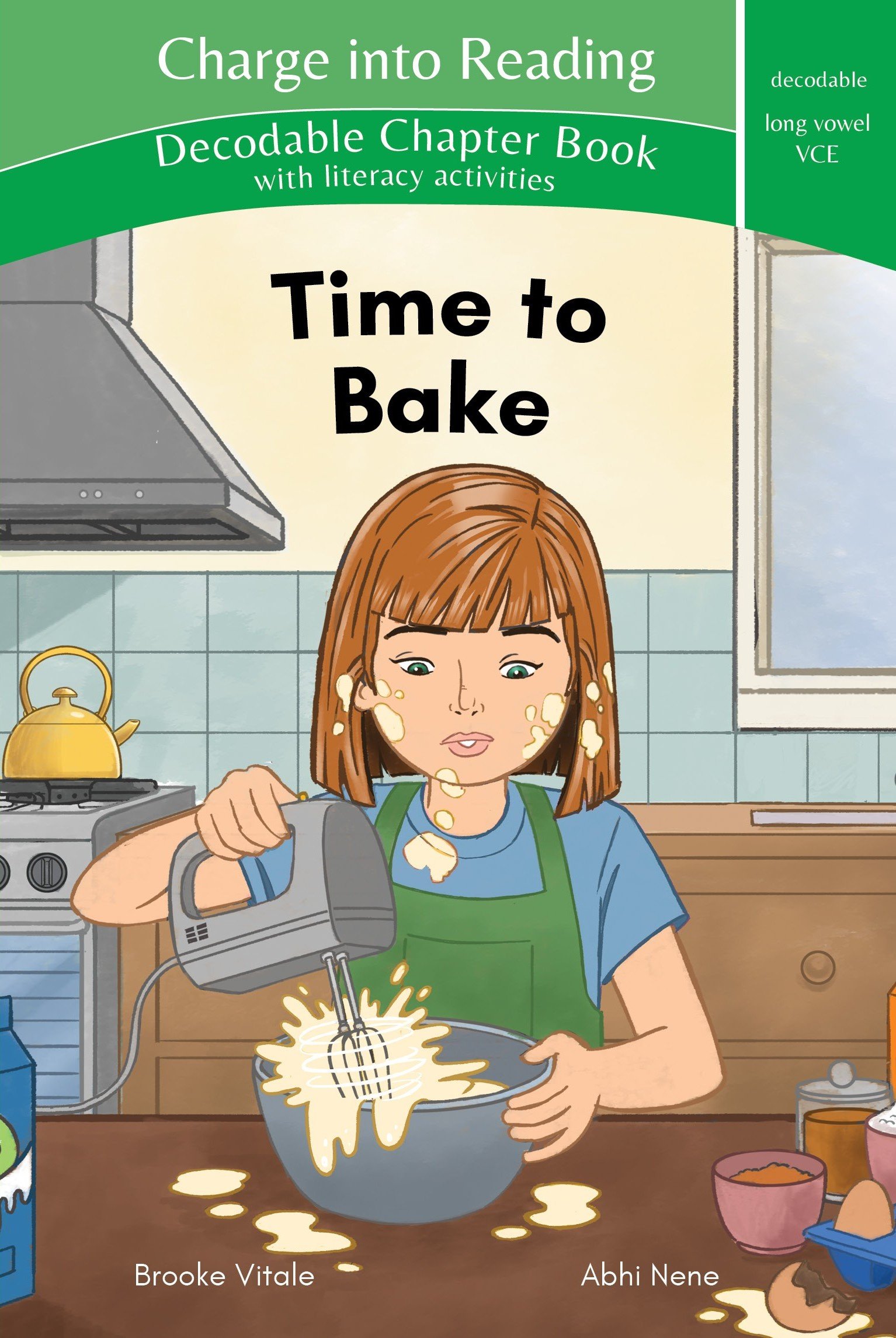
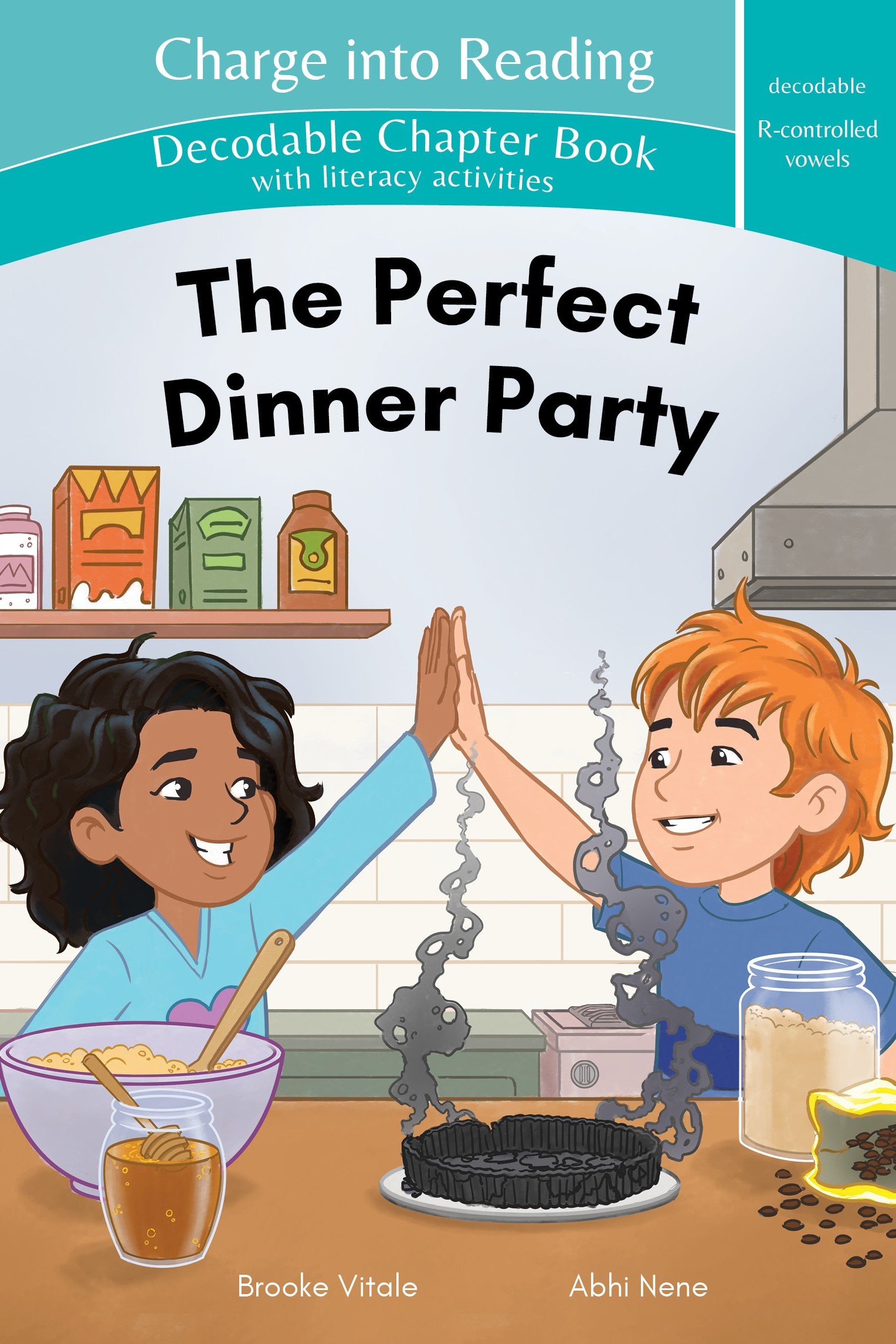
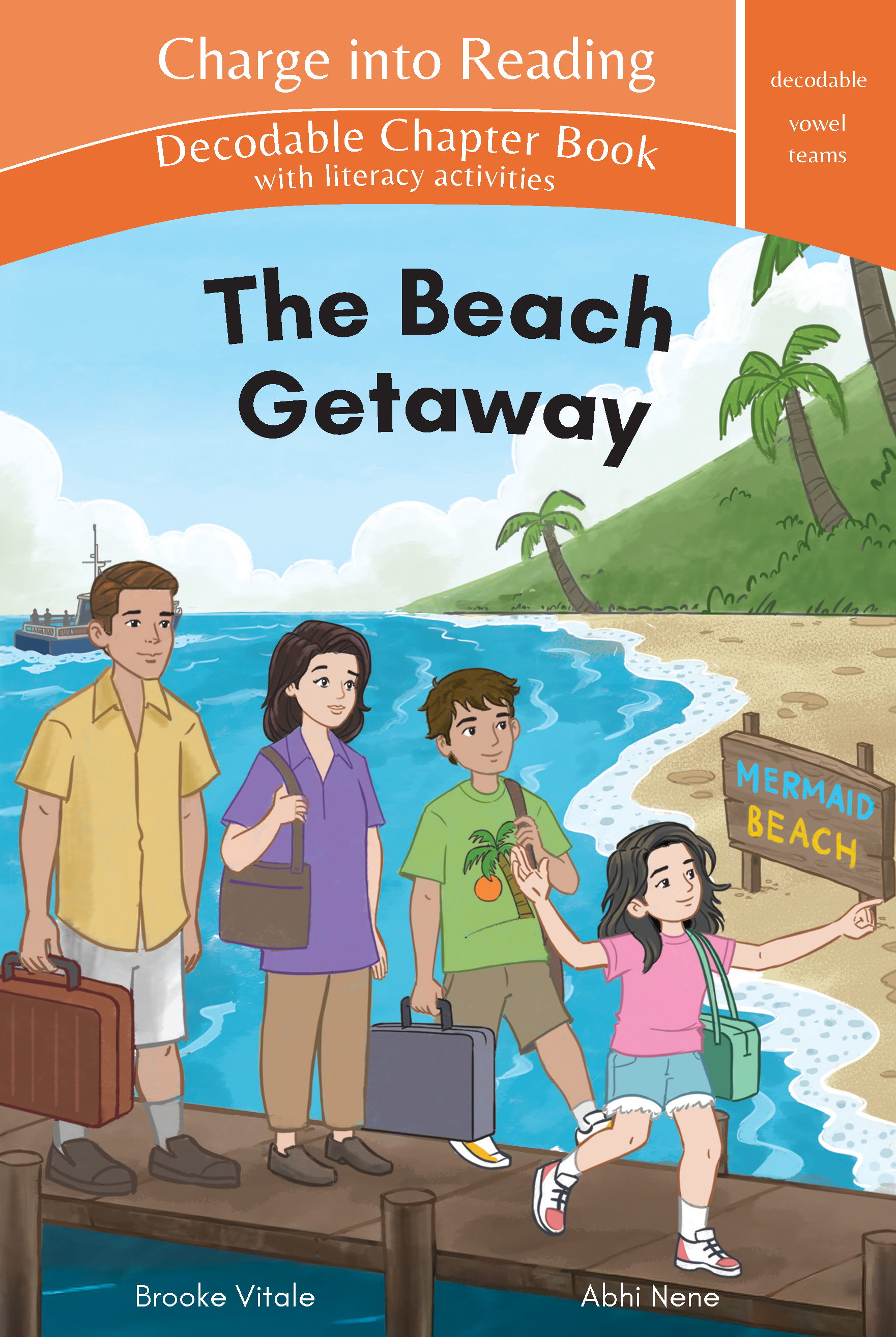
Also for older students, or for those building their stamina and looking for chapter books that are manageable at their skill-level, there are five decodable chapter books, sequenced by skill: blends, digraphs, long vowel VCE, r-controlled vowels, and basic vowel teams.
Decodables aren’t meant to be used indefinitely. We want to get students reading authentic texts as soon as possible; however, decodable texts offer a valuable function: they serve as a bridge to facilitate a strong start on one’s reading journey.